Chilean Construction Market Context
Understanding the Chilean real estate development market helps investors set realistic expectations for project timelines. The construction industry in Chile operates within specific regulatory, economic, and logistical contexts that affect how projects progress from planning through completion.
This page provides general information about market patterns and typical industry characteristics. This context helps investors understand why certain challenges are common and what factors typically influence construction schedules in Chilean real estate development.
Regulatory Environment
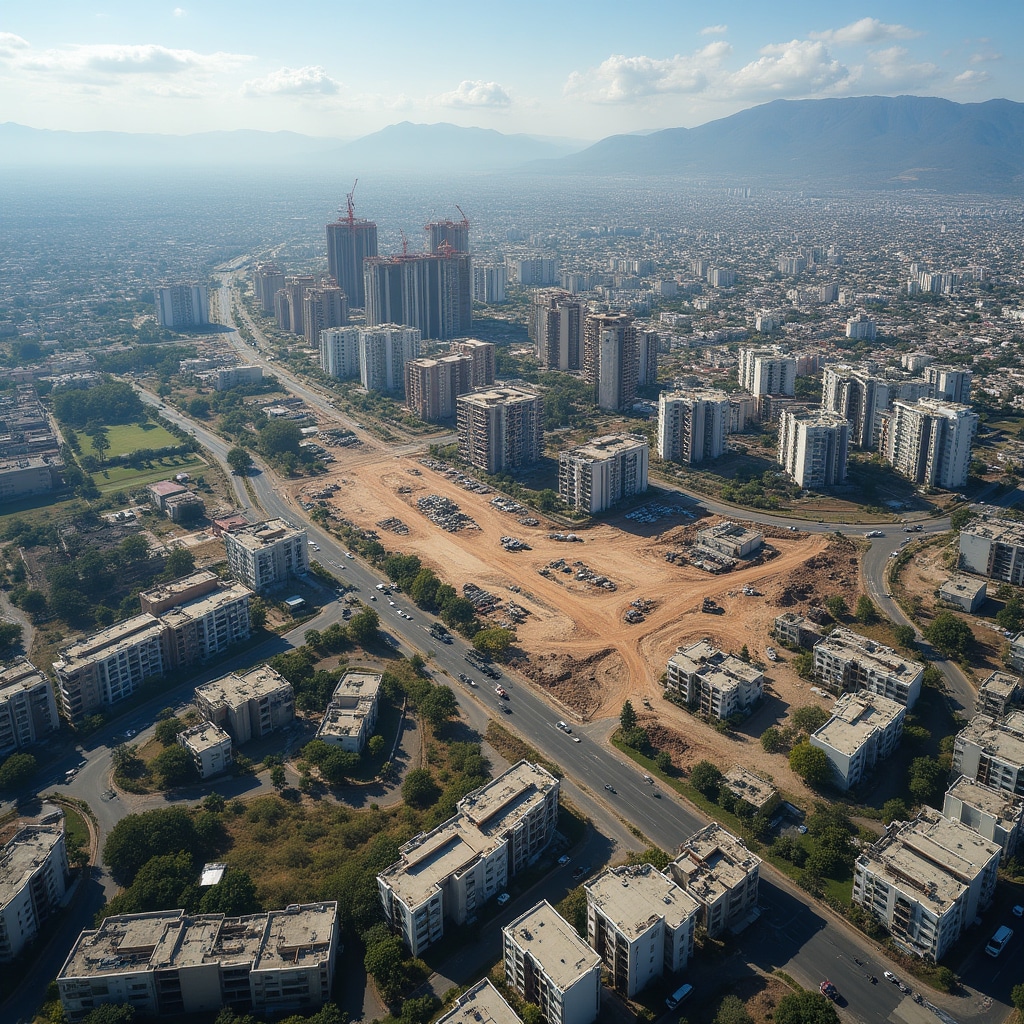
Chilean real estate development operates within municipal, regional, and national regulatory frameworks. Permit processes, building codes, environmental requirements, and inspection schedules vary by jurisdiction and can significantly impact project timelines.
Understanding that regulatory processes take time and involve multiple approval stages helps investors maintain realistic expectations about pre-construction and construction phases.
Typical Project Phases in Chilean Development
Real estate development projects in Chile typically progress through distinct phases, each with its own timeline considerations and potential delay factors:
Planning and Permitting
Initial planning, architectural design, municipal approvals, and permit acquisition. This phase often takes longer than initially estimated due to documentation requirements, review processes, and approval timelines that vary by jurisdiction.
Site Preparation and Foundation
Demolition if necessary, excavation, foundation work, and initial structural elements. Weather conditions, soil characteristics, and utility connections can affect this phase. Foundation work requires specific weather conditions and inspection approvals.
Structural Construction
Building the structural framework, including floors, walls, and roof systems. This phase involves coordinating multiple trades, scheduling inspections at specific stages, and managing material deliveries. Progress depends on weather, labor availability, and material supply.
Finishing and Systems
Interior finishes, electrical and plumbing systems, HVAC installation, and exterior completion. This phase requires careful coordination of specialized trades and sequential work where one stage must complete before the next can begin.
Inspection and Handover
Final inspections, corrections of any deficiencies, municipal certifications, and preparation for delivery. Even after construction completion, administrative processes and final approvals take time before units can be delivered to investors.
Common Market Factors Affecting Timelines
Several market-wide factors commonly affect construction timelines in Chilean real estate development. Understanding these helps investors recognize when delays are related to broader market conditions versus project-specific issues.
Material Supply Chains
Construction materials may be sourced locally or imported, with lead times varying by material type, supplier capacity, and market conditions. Supply chain considerations affect many projects simultaneously during periods of high construction activity.
Labor Market Dynamics
Availability of qualified construction labor varies by region and season. Coordinating specialized trades requires scheduling flexibility, and high construction activity periods can create labor scheduling challenges across multiple projects.
Municipal Capacity
Permit processing and inspection scheduling depend on municipal administrative capacity. During periods of high development activity, approval timelines may extend as municipalities process increased volumes of applications and inspection requests.
Seasonal Weather Patterns
Chile's climate varies significantly by region, with distinct seasonal patterns affecting construction. Winter months typically bring rain in central regions, affecting outdoor work and material delivery schedules across many concurrent projects.
Regional Variations
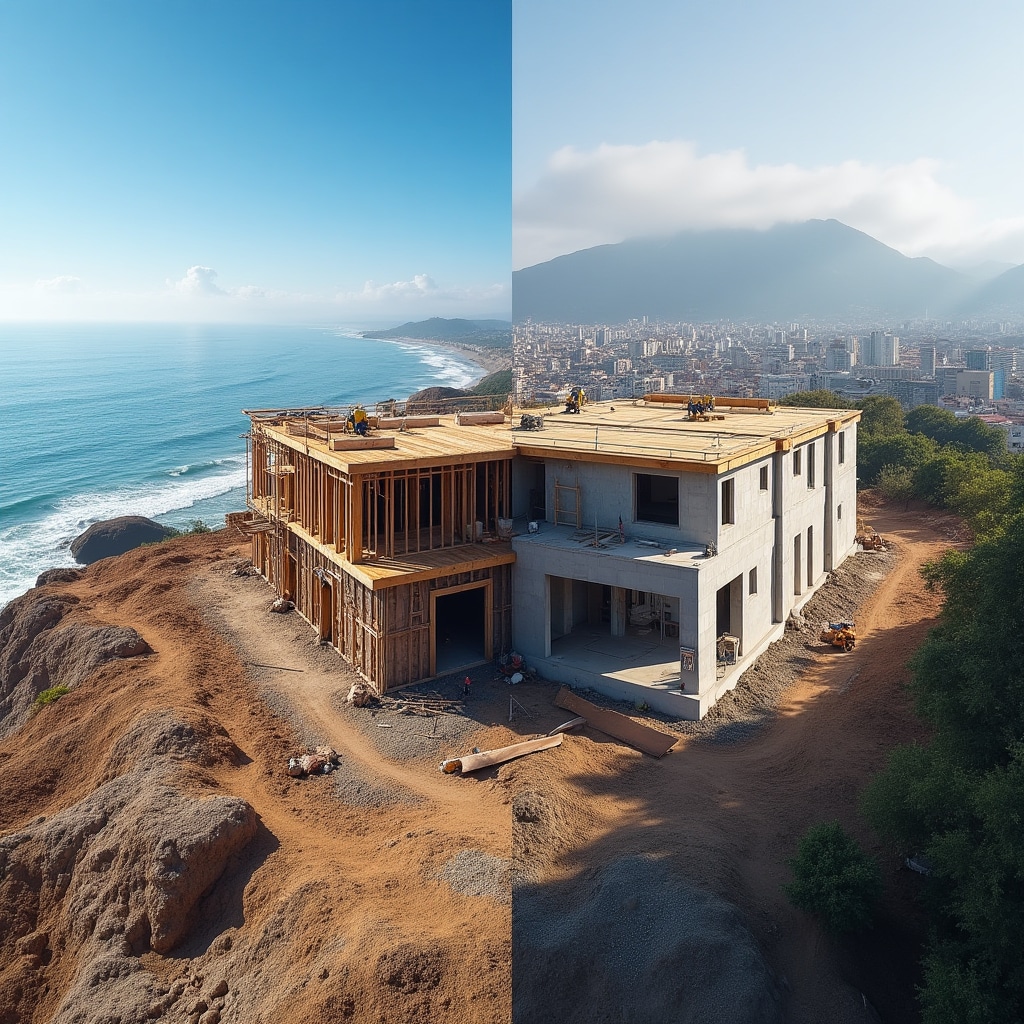
Construction timeline patterns vary across Chilean regions due to climate differences, local regulatory processes, material availability, and labor market characteristics. Projects in metropolitan areas face different challenges than those in smaller cities or coastal regions.
Understanding regional context helps investors set appropriate expectations based on where their project is located. What is typical in Santiago may differ from what is typical in Valparaíso or other regions.
Market Cycles and Development Activity
Real estate development activity in Chile follows market cycles influenced by economic conditions, interest rates, housing demand, and investment patterns. During periods of high development activity, certain resources become more constrained, potentially affecting timelines across many projects.
Understanding market context: When multiple projects are under construction simultaneously in a region, competition for materials, labor, and municipal inspection capacity can affect timelines. This is a market-wide phenomenon rather than an issue with individual projects, but it impacts delivery schedules nonetheless.
Typical Timeline Ranges
While every project is unique, understanding typical timeline ranges for different project types helps investors set realistic expectations. These ranges account for normal variations and common delay factors:
- Small residential projects: Planning through completion typically spans longer than initial estimates suggest, with permitting and finishing phases often extending beyond early projections
- Medium-scale developments: Increased complexity in coordination, phasing, and systems integration typically extends timelines, with each additional building phase adding coordination requirements
- Large cooperative projects: Multiple buildings, extensive site work, and phased construction create longer overall timelines with more opportunities for schedule adjustments
These are general patterns observed across the market. Specific project timelines depend on numerous factors including location, complexity, developer experience, and current market conditions.
Information Sources and Limitations
Information about market patterns and typical timelines comes from publicly available industry sources, regulatory publications, and general market observation. This content provides context for understanding common patterns but should not be considered project-specific advice or definitive timeline predictions.
Investors should consult with their developers for project-specific timeline information and seek appropriate professional advice for questions about particular projects or situations.
Using Market Context Effectively
Understanding market context helps investors ask informed questions about their projects, recognize when delays are related to broader market factors, and maintain realistic expectations about construction timelines. This knowledge is most valuable when combined with regular communication with developers about specific project progress.